
Understanding the hidden dangers of gambling addiction
The Nature of Gambling Addiction
Gambling addiction, also known as compulsive gambling, is a behavioral disorder that manifests as an uncontrollable urge to gamble, despite the negative consequences. This addiction can affect individuals from all walks of life, often beginning with harmless betting or occasional visits to casinos. As time goes on, the individual may find themselves increasingly drawn into the gambling world, leading to financial, emotional, and social turmoil. For those looking for quick payouts, it’s worth exploring options like fast withdrawal casino canada that enable seamless cash-outs.
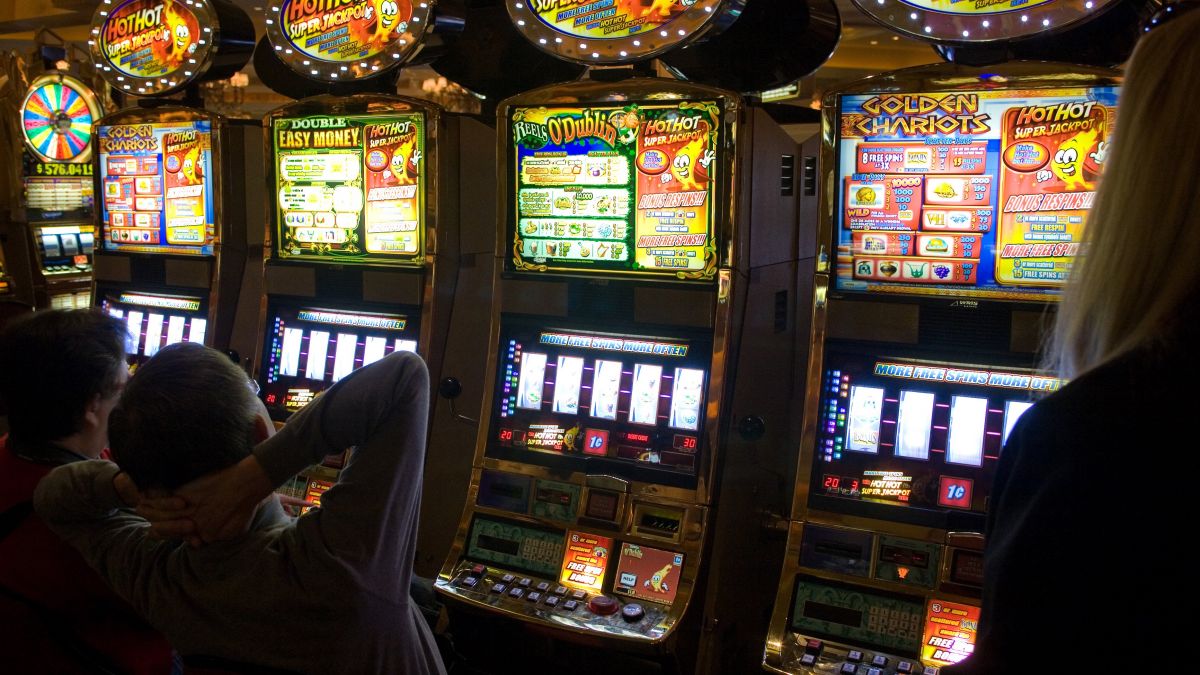
For many, the thrill of gambling can initially provide excitement and a sense of escape from daily pressures. However, the initial fun can quickly turn into a relentless pursuit of losses. The compulsion to gamble can become overwhelming, leading individuals to risk their financial stability, relationships, and mental health. This dependency can create a vicious cycle where the gambler continues to play, hoping to regain their lost money, which often results in even greater losses.
Understanding the psychological aspects of gambling addiction is crucial. Many individuals may turn to gambling as a coping mechanism to deal with stress, anxiety, or depression. This reliance on gambling can prevent them from seeking healthier forms of support and coping strategies, further entrenching them in their addiction. Recognizing these underlying issues is essential for recovery, as it helps to address the root causes of the compulsive behavior.
Signs and Symptoms of Gambling Addiction
Identifying the signs of gambling addiction is vital for early intervention and support. Common symptoms include preoccupation with gambling, inability to control gambling habits, and lying about the extent of gambling activities. Those affected may also exhibit mood swings, irritability, and restlessness when attempting to cut back on their gambling. These behaviors can often go unnoticed by friends and family, further isolating the individual and exacerbating their issues.
Financial problems are often a telling sign of gambling addiction. Individuals may find themselves borrowing money or stealing to fund their gambling habit. The shame associated with these actions can lead to secrecy and further withdrawal from loved ones. It’s important to create a supportive environment where individuals feel safe discussing their gambling behavior and financial difficulties, promoting openness and recovery.
Additionally, gambling addiction can lead to significant impacts on mental health. Those struggling may develop anxiety, depression, or even suicidal thoughts. It’s crucial for individuals to recognize that they are not alone in their struggle and that help is available. Professional counseling and support groups can provide essential assistance in overcoming these challenges and rebuilding a fulfilling life outside of gambling.
The Impact on Relationships
The ramifications of gambling addiction extend beyond the individual, significantly affecting their relationships with family, friends, and colleagues. Loved ones may experience feelings of betrayal, anger, and confusion as they witness the individual’s behavior spiraling out of control. Communication breakdowns often occur, leading to further isolation and emotional distance between the gambler and their support system.
Trust is often eroded due to the secrecy and deceit surrounding gambling activities. Many gamblers feel compelled to lie about their behavior, leading to a toxic cycle of dishonesty. This can create a rift in relationships, making it challenging for partners, parents, and friends to understand the depth of the addiction and the struggles involved. Rebuilding trust is a critical aspect of recovery, requiring transparency and open dialogue.
Moreover, children in families with a gambling addiction may be particularly affected. They can experience financial instability and emotional distress, leading to long-term psychological effects. Understanding the impact of gambling on familial relationships is essential for those in recovery, as it emphasizes the importance of seeking help not just for oneself, but also for the well-being of loved ones.
The Path to Recovery
Recovery from gambling addiction is possible, though it often requires a multifaceted approach. The first step towards recovery is acknowledging the addiction and its consequences. This can be a daunting task, but acceptance is essential in seeking help. Many individuals find that joining support groups or engaging in therapy provides a safe space to discuss their experiences and feelings, facilitating the healing process.
Professional treatment options, including counseling and therapy, play a significant role in recovery. Cognitive-behavioral therapy, for example, helps individuals address their thought patterns and develop healthier coping mechanisms. These therapeutic strategies empower individuals to regain control over their gambling behaviors and their lives. Furthermore, involving family members in the recovery process can strengthen support systems and reinforce commitment to change.
It’s also crucial for individuals to develop new hobbies and interests that divert their focus away from gambling. Engaging in community activities or pursuing educational opportunities can foster personal growth and build self-esteem, making it easier to resist the urge to gamble. Recovery is a journey, and with dedication and support, individuals can reclaim their lives and relationships from the grips of gambling addiction.

Discovering Resources for Support
For those seeking assistance in battling gambling addiction, various resources are available to provide support and guidance. Numerous organizations specialize in helping individuals confront their gambling problems, offering counseling, hotlines, and community support groups. These resources can be invaluable for those feeling lost or overwhelmed, providing a sense of belonging and understanding.
Educational programs also play a crucial role in raising awareness about the dangers of gambling addiction. By informing individuals about the risks and providing information on responsible gambling practices, these programs can help prevent addiction before it starts. Awareness initiatives often focus on the importance of recognizing the signs of problem gambling, fostering a culture of support and openness.
As the landscape of gambling continues to evolve, particularly with the rise of online platforms, staying informed about safe practices becomes increasingly important. Individuals must educate themselves about the potential risks involved with online gambling and seek out reliable information and support to navigate their experiences responsibly.
